“Vrati se kući” – But Who’s Left to Come Home to? Aging, Absence, and the Myth of Return in Bosnia and Herzegovina
How transnational care and demographic change complicate narratives of return in Bosnia and Herzegovina.
This year, in my small hometown in Bosnia and Herzegovina, my grandfather sat me down with a thick plastic binder in his hands. Inside it were his house deed, car papers, a list of bank accounts, and a small envelope za crne dane he said – for dark days. He has been preparing, methodically, for the inevitable. Cancer had given him the awareness of an ending, but not its date. I nodded as he explained each document, but what I really saw was absence, the space left by the people who should have been here instead of me.
My uncle, his life lost at twenty-four.
My grandmother, gone just a few months earlier.
My father, two decades and an ocean away in Canada.
I was the stand-in witness to a family that had scattered across wars, borders, and time zones. On my mother’s side of the family, the pattern repeats in Croatia. A few years earlier, she arrived in Zagreb the morning her father died, after his first and only night in a care home. My grandmother, ill herself, could no longer lift or feed him. After a carousel of short-term caregivers, there were no options left. Since then, caring for my grandmother has been a logistical choreography of flights, favours, and guilt. Between Canada and Croatia, my mother and aunt manage her care through WhatsApp calls and flight schedules, improvising an entire welfare system out of love and exhaustion.
These patterns are common. Research on transnational caregiving shows that family members in host countries routinely provide emotional, financial, and practical support to ageing relatives back home, navigating gaps that state systems leave open.
In Bosnia and Herzegovina, media accounts describe many older residents living alone while children work abroad. Where public infrastructure fails, families absorb the cost, even across time zones. Yet this everyday reality sits uneasily alongside public calls for return, which rarely account for how care, ageing, and family life are actually managed across borders.
When I first saw the Vrati se kući campaign – billboards across BiH cities launched by Pokret Snaga Domovine, with two young people, children, and the tagline Draga dijasporo, vratite se da zajedno gradimo domovinu! – it felt both intimate and hollow. Intimate because the appeal is to family, but hollow because the family in the image as young, intact, and present is precisely what decades of emigration and loss have unmade. The campaign pictures the homecoming without picturing who is left to come home to.

Image source: Pokret Snaga Domovine, “Vrati se kući” campaign (2024), official website.
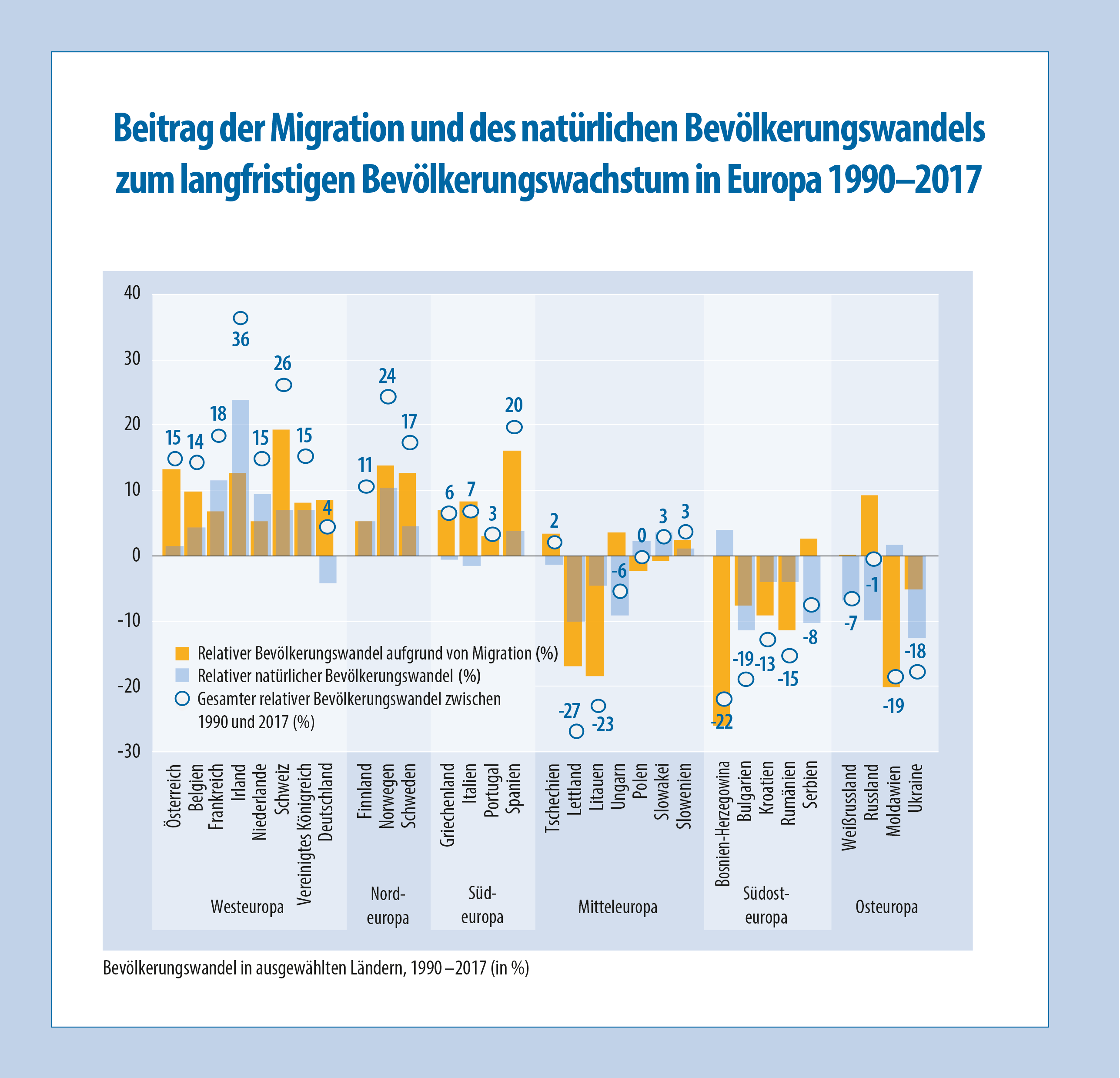
Come home. This dream of vratiti se kući collides with a harsh reality: Bosnia and Herzegovina is ageing and has undergone one of the sharpest population declines in Europe since the early 1990s, driven first by the war, and ever since then persistent emigration and negative natural growth. Estimates suggest the country has lost more than a third of its population since 1991.
Today, the population stands at just over three million, with a median age in the mid-forties. Approximately twenty percent of residents are aged sixty-five or older, a proportion that continues to rise as fewer young adults remain and fertility rates stay low. The last full census was conducted in 2013, but expert analyses consistently point to the same convergence of forces: continued emigration, low fertility, and demographic contraction.
Public discourse frequently implies that return migration can stabilize demographic decline. Yet much of this assumption rests on anecdote rather than evidence. Recent reporting shows that in 2024, some dozens of families returned to the Tuzla Canton from abroad. However, systematic data on diaspora populations returning remain limited, and permanent emigration still far outpaces return. Other qualitative research has found that return does not necessarily restore a sense of home; belonging is negotiated through family ties, emotional attachment, and access to care, often under difficult economic and institutional conditions.
In the absence of robust return flows, the weight of aging falls disproportionately on those who never left, or families who return only temporarily for funerals, holidays, and moments of crisis. Emptying schools, pensioners waiting for children who live in another time zone, and care coordinated from afar are the everyday reality beneath Bosnia and Herzegovina’s demographic anxiety.
Return campaigns that measure success in bodies counted back across the border will keep missing what is already happening: care managed from abroad, belonging maintained through visits, remittances and WhatsApp calls, attachment that does not require permanent resettlement to be real. Vrati se kući is a slogan, not a plan.
A more meaningful response would begin by recognising that for many families, engagement with Bosnia and Herzegovina already takes the form of transnational care rather than permanent relocation. Instead of framing return solely as resettlement, public policy could focus on reducing the friction that makes cross-border care so difficult: improving access to reliable local elder services, simplifying administrative procedures for those who move back and forth, and ensuring that social protections are not lost when lives span more than one country.
Strengthening community-based care infrastructure within Bosnia and Herzegovina would not only support older residents, but also ease the informal burden currently carried by families abroad. Such measures would not guarantee large-scale return, nor reverse demographic decline. But they would acknowledge how people actually live, stretched across states yet bound by responsibility.
About the author: